Menu
Happy dog ready for travel adventure

Before Your Trip: Preparation is Key

A successful journey with your dog starts well before you board the train or bus. Taking time to prepare both yourself and your pet will make the experience much more enjoyable.

  • Visit your veterinarian: Ensure your dog is healthy enough for travel, especially for longer journeys. Discuss any concerns about motion sickness or anxiety.
  • Update identification: Make sure your dog has proper identification tags with current contact information. Consider microchipping if you have not already.
  • Familiarize with the carrier: Introduce your dog to the carrier at home several days before travel. Place treats and familiar bedding inside to create positive associations.
  • Practice short trips: If your dog is not accustomed to transit travel, take some short practice trips to help them adjust to the experience.

Dog carrier bag for travel

Choosing the Right Carrier

Selecting an appropriate carrier is crucial for your dogs comfort and compliance with GO Transit policies. Consider these factors when choosing:

  • Size matters: The carrier should be large enough for your dog to stand, turn around, and lie down comfortably, but must fit within GO Transit size limits (55cm x 40cm x 23cm).
  • Ventilation: Look for carriers with mesh panels on multiple sides to ensure adequate airflow.
  • Easy access: Choose a carrier with top or side openings for easy loading and unloading of your pet.
  • Comfort features: Consider carriers with removable, washable padding and secure attachment points for leashes.
  • Durability: Invest in a well-made carrier that will withstand regular use and keep your pet secure.
Happy pug dog portrait

Timing Your Journey

Choosing the right time to travel can significantly impact your dogs comfort and the overall experience:

  • Avoid rush hours: Peak travel times (7-9 AM and 4-7 PM on weekdays) mean crowded trains and buses. Travel during off-peak hours when possible.
  • Consider temperature: In summer, early morning or evening travel is preferable. Avoid the hottest parts of the day.
  • Plan bathroom breaks: For longer journeys, plan your route with stations where you can take your dog for a quick break.
  • Check service updates: Visit the GO Transit website for service alerts that might affect your journey.
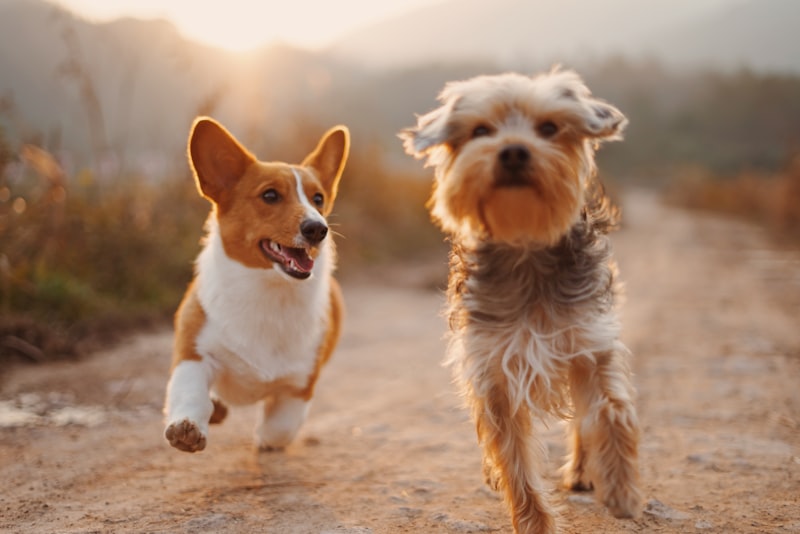
Two dogs walking together outdoors

What to Pack

Being prepared with the right supplies will help you handle any situation during your journey:

  • Water and portable bowl: Keep your dog hydrated, especially during warm weather. A collapsible bowl takes up minimal space.
  • Treats: Small, low-residue treats can help calm anxious dogs and reward good behavior.
  • Waste bags: Always have multiple bags on hand for cleaning up after your pet.
  • Paper towels or cleaning wipes: Useful for quick cleanups in case of accidents.
  • Favorite toy or blanket: Familiar items can help comfort anxious pets.
  • Leash: Keep a leash attached to your dogs collar even while in the carrier for quick control when needed.
Calm relaxed dog resting

Managing Anxiety During Travel

Some dogs may feel nervous during transit travel. Here are strategies to help keep your pet calm:

  • Stay calm yourself: Dogs can sense their owners emotions. Remain relaxed and confident to help your pet feel secure.
  • Speak softly: Use a calm, reassuring voice to comfort your dog during the journey.
  • Provide familiar scents: Place a worn t-shirt or familiar blanket in the carrier to provide comforting scents.
  • Consider calming products: Natural calming treats, pheromone sprays, or anxiety wraps can help some dogs. Consult your vet for recommendations.
  • Avoid feeding right before travel: A light meal 2-3 hours before the trip can prevent nausea without leaving your dog hungry.
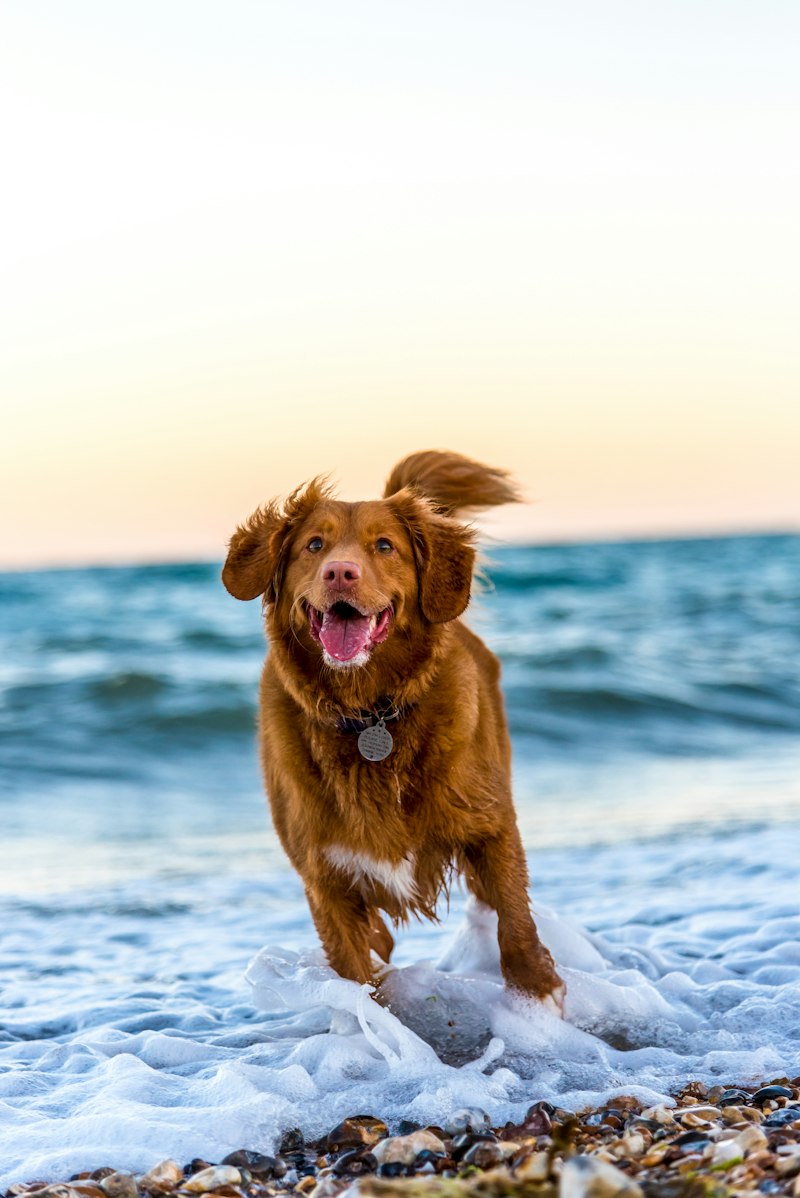
Golden retriever dog outdoors

During the Journey

Once on board, follow these guidelines for a smooth trip:

  • Find a good spot: If possible, choose a seat near the door for easy exit and with space for your carrier.
  • Keep the carrier secure: Hold the carrier on your lap or place it securely at your feet. Never place it on an empty seat.
  • Monitor your pet: Periodically check on your dog to ensure they are comfortable and not showing signs of distress.
  • Be considerate: Keep your dog quiet and avoid disturbing other passengers. If your dog starts barking, try to calm them with soft words or treats.
  • Stay alert for your stop: Begin preparing to exit a few minutes before your station to avoid rushing.

Additional Resources

For more information about traveling with pets and planning your journey: